
About AdvanceAPractice
We Run The Business Side Of Your Practice
Medical billing, credentialing, payer contracts, provider onboarding, daily operations and the software behind them, for outpatient and behavioral health practices. We’re based in Portland, Oregon, and work with groups and solo owners nationwide.
AdvanceAPractice was founded in 2023 by Ryan Berg.
Local Roots, National Practice Work
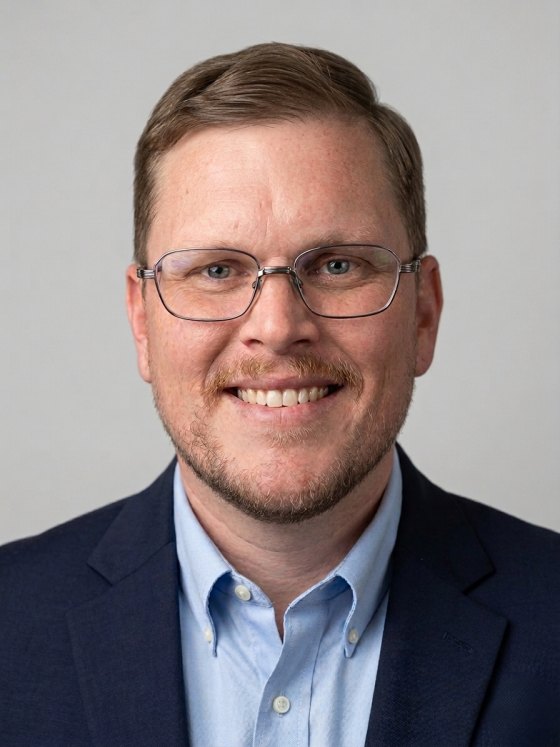
Built By Someone Who Has Done The Work Inside A Practice
I’ve run the business side of practices for more than 16 years: billing and collections, payer contracts, finance, hiring and growth, across dental, behavioral health and medical offices. Everything we do now is built for telehealth practices and done virtually.
Most practice owners I meet aren’t short on effort. They’re short on time, and on help they can trust. They see patients all day, then chase credentialing at night, watch collections slide, answer staff questions and try to compare proposals that never say what the work will cost.
I’ve spent my career working beside owners, clinicians and administrative teams while patients were still being seen and the practice still had to run. So we give practical answers. We name who owns each task, and we fit the work to the systems and people you already have.
Before we change anything, we learn how your team does the work today. Sometimes that’s an afternoon with your biller going through unpaid claims. Other times it’s planning a new provider’s first month with the owner, or watching the front desk get through a full schedule.
Our own team here in the United States does your work. You can ask the people doing it about any decision, how far along it is and what’s next.
Experience Behind The Work
Why The Founder’s Background Matters To Your Practice
Growing a practice creates connected decisions. A new provider needs payer enrollment, working billing setup and a compensation report the owner can reconcile. A new location needs a financial model as well as a calendar. A treatment program needs staff to see authorization limits and follow-up alongside available capacity. Ryan’s background covers the financial, staffing and system work behind those decisions. AdvanceAPractice brings that experience to the services and builds included in your written scope.
We’ve worked with psychiatrists, PMHNPs, therapists, physiatry groups, outpatient rehab practices and multi site dental groups. The business side works the same way in every one of them: medical billing, credentialing and contracting, practice launch, operations and automation.
Professional Billing And Collections
He learned how a practice gets paid one line item at a time, working individual claims and collections at OHSU. That’s still how we read an A/R report: claim by claim, not as a total.
Outpatient Practices Nationwide
The same revenue cycle failures repeat in different EHRs and different states. He saw that pattern across outpatient rehabilitation and specialty practices around the country at Clinicient, which is why we look for the cause in the process before we blame the software.
Physiatry Revenue Cycle
At Rehabilitation Medicine Associates, a multi provider physiatry group, he ran revenue cycle work across outpatient and hospital professional billing and recovered receivables the practice had already written off. Written off doesn’t mean unpayable, and we still work aged accounts that way.
Multi Site Dental Finance
As Finance Manager at Timber Dental while the group grew from two to six clinics, he built the location models and clinic level reporting the owners used to decide where to grow, and cut patient A/R by a documented $95,000 in his first year.
Multi State Behavioral Health
At ValueCore Mental Health, he worked with ownership to bring independent practices together under one group, helped grow annual revenue from $2 million to $6 million, and led a clinical and administrative team of more than 30 people. That’s the multi provider, multi state work most of our clients are living now.
AdvanceAPractice
Today that experience goes to practice owners, medical directors and administrators. We run medical billing, credentialing and payer contracting, take on the whole business side through an Operations Partnership, and build the custom software and automation that ties it together.
“Ryan's unique ability to have executive and business-like vision as well as possess the details of daily operations has been and continues to be crucial in delivering, serving, and supporting our patients, employees, and contractors.”
People First
Experienced People Lead The Work. We Also Build The Tools.
We bill and we build, and the same people do both. The person who works your denials builds the tracker that stops them, and your practice keeps both. In the encrypted AdvanceAPractice Command Suite, you follow updates on your work, read completed work and message the people handling your requests.
For a behavioral health practice, we built a treatment scheduler around authorization limits, treatment stages, open capacity and staff follow-up. It brings EHR reports and intake information into one daily view alongside the practice’s existing systems. See the specialty-treatment scheduling example.
See How We WorkWhat We Do
Medical Billing, Credentialing And Operations Work Together
A credentialing delay becomes a billing problem. A billing problem is often an intake or contracting problem further up the line. So we take on the whole business side, and the same team handles the payer call, the EHR fix and the report the owner reads on Monday.
The work happens in your EHR, your insurance portals and your files, under your own Tax ID.
Revenue Cycle
Claims, denial follow up, payment posting, underpaid contracts, and recovery of aged accounts.Credentialing
Provider profiles, insurance enrollment, payer contracts, directory updates, and billing readiness.Practice Operations
Intake, scheduling, staff responsibilities, provider onboarding, and the reports owners read.Software And Automation
Schedulers, forms, trackers, reporting tools, and staff notifications built to your process.Who We Work Beside
Work Directly With People Who Understand The Practice
- Practice owners and medical directors making operating and financial decisions.
- Physicians and PMHNPs balancing clinical care with the realities of running a practice.
- Practice administrators coordinating staff, payers, systems, and deadlines.
- Billing and credentialing teams that need someone to own a problem, somewhere to take it when it’s stuck, or more hands.
- Clinical and operational leaders adding providers, locations, or new services.
“They reorganized our workflows, improved how our team communicates, and brought in smart automation and AI-driven solutions that have saved us measurable time and money. The operational visibility alone has been a game-changer.”
“AdvanceAPractice has provided a great benefit to my growing practice. They clearly explained the confusing insurance billing process and helped me create a plan to expand my business.”
What Careful Follow-Up Can Uncover
The Contracted Rate Was Wrong. The Review Caught It.
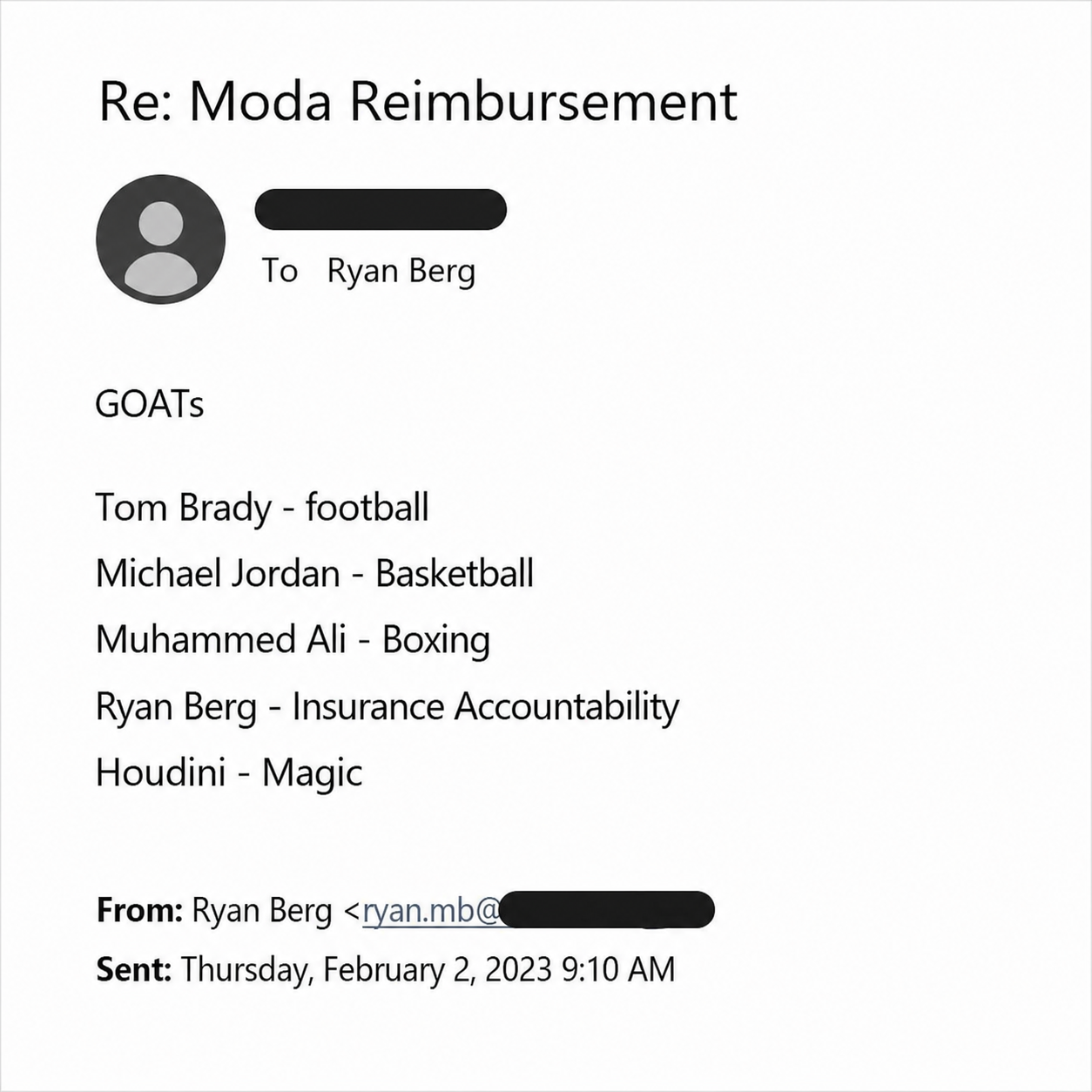
A contracted rate review uncovered a payer discrepancy. Ryan’s correction increased reimbursement by 30% across four months of team claims and resulted in backpay.
See What It Would Cost Your Practice
Not sure which one fits? Ask, and we’ll point you to the right one.