
About The Founder
Ryan Berg: Founder, AdvanceAPractice
16+ years across professional billing, outpatient revenue cycle, multi-site finance, and behavioral health operations, with behavioral health as the deepest specialty.
Ask Practice Concierge Connect On LinkedIn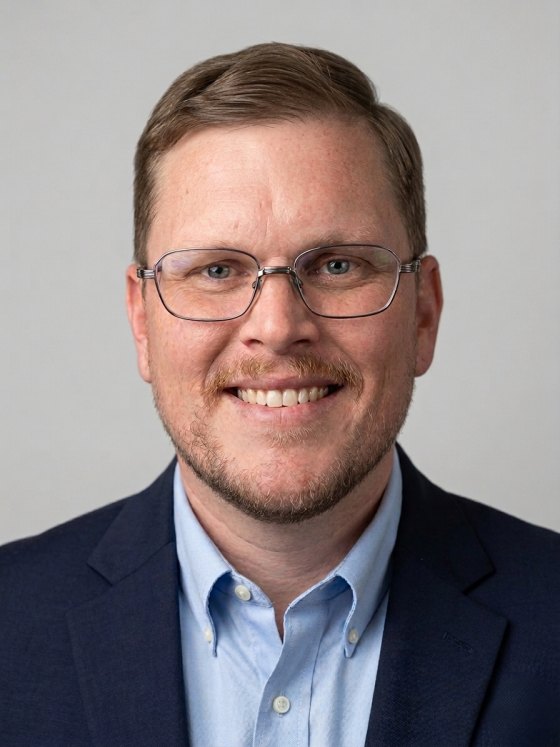
Practice Work Depends On People
I know what it is like to work beside an owner while claims, payer files, staff questions, and patient needs are all moving at once. A practice rarely needs another report telling it that something is late. It needs a reliable person who can understand the problem, take ownership, and keep following it until there is a real answer.
That is the work I have done for more than sixteen years across professional billing, outpatient rehabilitation, multi-site dental finance, and multi-state behavioral health. It is also why AdvanceAPractice publishes prices for defined projects and puts the full scope in writing when the work depends on the practice.
The most useful experience came from doing the work with owners, clinicians, and administrative teams while patients were still being seen and the practice still had to run.
Why AdvanceAPractice
Know Who Is Doing The Work
Most owners who call us have already been through this once. They chased three companies for a quote, waited a week for each, and then found out the step that mattered was billed separately. Worse, the work ended up somewhere they could not reach, handled by someone who had never seen their contracts. AdvanceAPractice uses a simpler standard: defined work has a published price, complex work receives a written scope, and any material limit or added cost is explained before you commit.
Behavioral health is our deepest specialty. We also bring credentialing, billing, revenue cycle, and operations support to physicians and medical practices across specialties. In every setting, the goal is the same: give the people responsible for the practice clearer information and dependable follow-through.
The work is done here, by a United States based team. We do not outsource it and we do not send it overseas. The person who files your application is the person who follows it, and the person you reach when you have a question.
Career Experience
Experience From Claims Work To Practice Leadership
OHSU
Professional billing and collections, working individual claims. The best possible grounding in how a practice actually gets paid.
Clinicient
Work with outpatient rehabilitation and specialty practices nationwide, seeing the same revenue cycle failures repeat across different systems and states.
Rehabilitation Medicine Associates
revenue cycle work for a multi-provider physiatry practice spanning outpatient and hospital professional billing, including recovery of previously written-off A/R.
Timber Dental
Finance Manager during growth from two to six clinics, partnering with ownership on new-location models, clinic-level reporting, capital decisions, and a $95,000 patient-A/R reduction in the first year.
ValueCore Mental Health
Business Operations Manager during multi-state consolidation and growth from $2 million to $6 million in annual revenue, leading a clinical and administrative team of more than 30.
AdvanceAPractice
Founded to give independent practices the same operating support, done by a United States based team that stays with the work instead of closing a ticket.
Areas Of Depth
Revenue Cycle Management
Behavioral health billing from start to finish, eligibility, claims, denials, appeals, payer escalation, and the reporting that tells an owner what is actually happening.
Credentialing & Payer Enrollment
Commercial and Medicaid enrollment for psychiatric providers: CAQH/DataSpring alignment, managed follow-up, escalation on stalled files, and panel strategy for growing groups.
Custom Software & Automation
Purpose-built tools where off-the-shelf fails: data feeds out of API-less EHRs, authorization tracking, scheduling apps, and workflow automation sized for small practices.
Practice Operations & Finance
Intake-to-collections workflow design, team communication structure, financial visibility, and the operating rhythm that lets an owner stop being the bottleneck.
Based In Portland, Serving Practices Nationwide
Ryan is based in Portland, Oregon, and works with practices across the United States. Oregon’s payer landscape is home territory, while the way we work is built for direct collaboration with owners, physicians, PMHNPs, medical directors, and administrators nationwide.
Outside work, Ryan has volunteered in American Red Cross disaster-relief efforts since 2005. That experience reinforced a lesson that carries into practice operations: stay calm, be useful, and follow through when people are already carrying a lot.
Learn more on the About page, review practice results and case studies, or connect with Ryan on LinkedIn.
Next Step
Know What This Would Cost For Your Practice.
Every service has a published price and a written scope. If you are not sure which one fits, ask and you will be pointed at the right one.