
Payer Transition
Move Your Payer Contracts To A New Practice Or Tax ID
We move your payer contracts to your new practice or Tax ID.
Is This For Me?
Use This Path When The Payer Relationships Already Exist
A payer contract belongs to the business named on the Tax ID and the agreement. We confirm which business that is before we touch a provider’s billing relationship.
This Fits When
- The provider already participates with every selected payer.
- The provider is changing the billing practice, group NPI, or Tax ID.
- You choose each existing commercial payer relationship that needs to be moved or updated.
- You can supply complete practice, provider, contract, and enrollment records.
Choose Another Path When
- The provider has never been credentialed with the selected payers.
- The clinic still needs new group contracts. That’s Direct Payer Contracting, $3,500 for five payers.
- You’re opening a first practice from zero.
- The move also involves an ownership change, an outpatient facility, more than one business or other custom work.
Included Scope
What The $2,500 Package Covers
Transition Readiness
Before anything moves, we map the cutover across the provider, business, NPI, Tax ID, W-9, payer and enrollment records. That way nothing bills to the wrong organization and no panel goes dark halfway through.
Payer Work And Submission
We prepare and submit whichever change each payer requires, whether that’s the business name update, the roster change, the affiliation or the Tax ID, and we take it through that payer’s own process. No two payers do this the same way.
Insurance Portal And Payment Setup
We update the insurance portals, EFT, ERA, and clearinghouse so payments and remittances follow the provider to the new Tax ID and land correctly from day one.
Managed Follow-Up That Holds Payers Accountable
Transitions are where payers stall and quietly restart the clock. We follow up on each change on a set schedule and keep pressing until the payer confirms the move in writing. You can see where every payer stands at any point.
Fewer or more payers. Moving fewer than five? Each payer is $500. Payers six through nine are $350 each in the same engagement, or $1,500 for the block of payers six through ten, and Medicare or Medicaid enrollment is $500 each per provider. Moving several providers? Group discounts apply automatically at checkout.
Important Boundaries
What Is Not Included
- New payer contracting or a first-time credentialing application.
- Outpatient facility credentialing, ownership changes, mergers, or restructuring across more than one business.
- Legal, tax, or clinical advice; payer or third-party fees.
- A promise of uninterrupted claims, payer participation, processing time, effective date, or approval.
The provider completes and legally attests their own DataSpring provider profile (formerly CAQH) and signs the payer-required documents. If you want us to maintain your profile, you share access securely and change the password when we’re done.
What This Looks Like
Four Insurers Wanted The Same Change Five Different Ways
There’s no shared process for a Tax ID change. Each insurer has its own channel, its own form, and its own idea of what proves the business exists. On a recent transition for a Portland therapist moving into a new professional corporation, the same change went five different ways:
- Regence: organization set up under the new Tax ID in Availity, with payment and remittance enrollment through the portal.
- Moda: online directory update and administrative forms, then the payment and remittance package submitted by fax.
- Cigna/Evernorth: a clinic location change form and the signed corporation W-9, emailed to behavioral health contracting.
- Providence: a provider profile form emailed to the behavioral health network team, answered inside eighty minutes.
Two portals, two emails and a fax. The Regence payment enrollment came back denied on the first pass. Nothing was wrong with it. The insurer just hadn’t finished loading the new Tax ID, and recognizing that as a normal lag and resubmitting the same day is the work.
Two rules come out of every one of these. Getting accepted into a network and having the payer’s systems know who you are now are separate events, and only the second makes a claim pay. And don’t bill under the new Tax ID until each insurer confirms it’s loaded. Approval isn’t the same as loaded.
See Your Exact Credentialing Price.
Pick the work and the counts, and the itemized total shows before checkout. Each rate depends on what already exists, and how credentialing pricing works lays out every one. Provider and payer details come later, in secure onboarding.
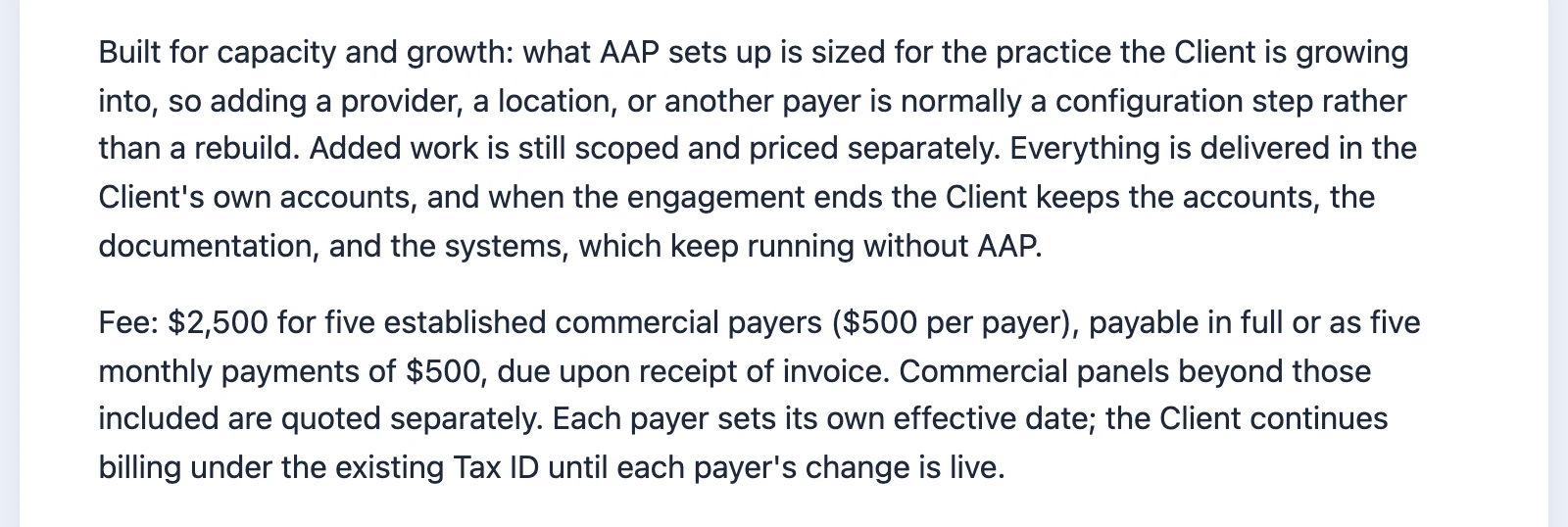
Five payers for $2,500, or five monthly payments of $500.
Every package includes a review of your CAQH profile with you, and we follow every application to a written effective date.
The more providers, the lower the price: 2 to 4 providers save 10%, 5 to 9 save 15% and 10 save 20%. The discount comes off the whole subtotal automatically. For example, 10 providers moving their contracts to a new practice or Tax ID pay $400 per payer instead of $500.
Your Itemized Total
Subtotal
Discount For Multiple Providers
Total
Checkout keeps this exact selection and total.
After Payment
A Five-Step Transition Path
Your Decision
Buy now if every selected payer relationship already exists. If you’re unsure about any payer, business or ownership fact, ask the Practice Concierge before you pay, so you don’t end up in the wrong package.

How We Handle A Practice Or Tax ID Change
We confirm the practice record, then handle each insurer separately because the forms, portal steps, and effective dates are not interchangeable.
Check The Practice Record
We compare the legal business name, Tax ID, Type 2 NPI, service address, and authorized official details before preparing payer changes.
Update Shared Provider Data
We prepare the applicable practice information in the DataSpring Provider Data Portal, formerly CAQH. The provider reviews the changes and completes any required authorization and attestation.
Prepare Each Payer Change
We use the payer's required portal, form, roster, or written request and keep the submission receipt, current response, and next action together.
Complete Payment And Remittance Setup
When included, we enroll the practice for electronic funds transfer (EFT) payments and electronic remittance advice (ERA), which explains each claim payment. We track these separately from contract approval.
FAQ
Existing Payer Transition Questions
Who Is This Package For?
A provider who already participates with the selected payers and is changing the billing business, group NPI or Tax ID. That’s often a clinician moving into their own corporation. If the provider has never been credentialed with a payer, that payer needs a first-time application instead.
Does It Include New Payer Contracts?
No. It covers existing payer relationships only. If the practice needs its own new contracts, that’s Direct Payer Contracting, $3,500 for five payers or $700 per payer if you need fewer.
Can I Add More Payers?
Yes. Payers six through nine are $350 each in the same engagement, or $1,500 for the block of payers six through ten, and Medicare or Medicaid enrollment is $500 each. You pick them at checkout and see the full total before you pay.
Can You Promise Payer Dates?
No. Our part is the preparation and the follow-up, done on time. Payers make their own decisions on their own timelines. A payer can even approve a Tax ID change before its systems have loaded it, which is why we hold billing under the new Tax ID until each payer confirms it’s loaded.
Can I Pay Monthly?
Yes. Orders of $1,000 or more can be paid monthly at the same total, with no interest or fees. Credentialing splits into one payment per payer, up to five.
What If Something Goes Wrong?
Payments aren’t refundable unless the problem is our mistake. If something we delivered doesn’t work the way we said it would, we fix it at no cost within 30 days of delivery; if we can’t fix it, or can’t deliver what you bought, we refund the part it affected.
What Happens After You Pay
- Right after payment. You get a receipt, your start month is reserved, and we send your agreements and secure onboarding.
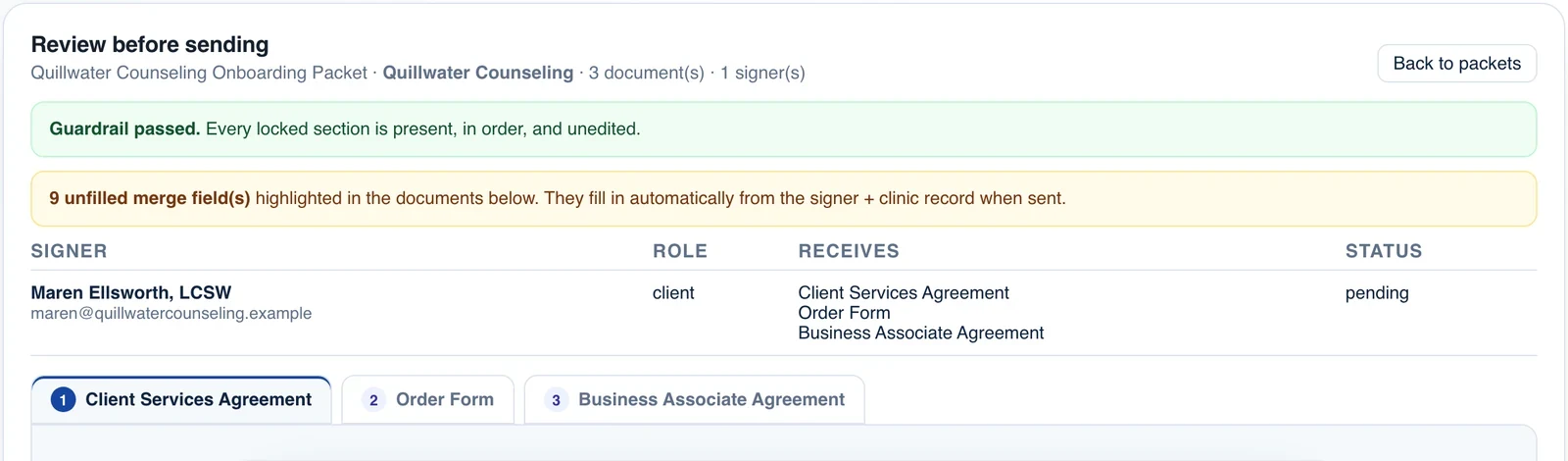
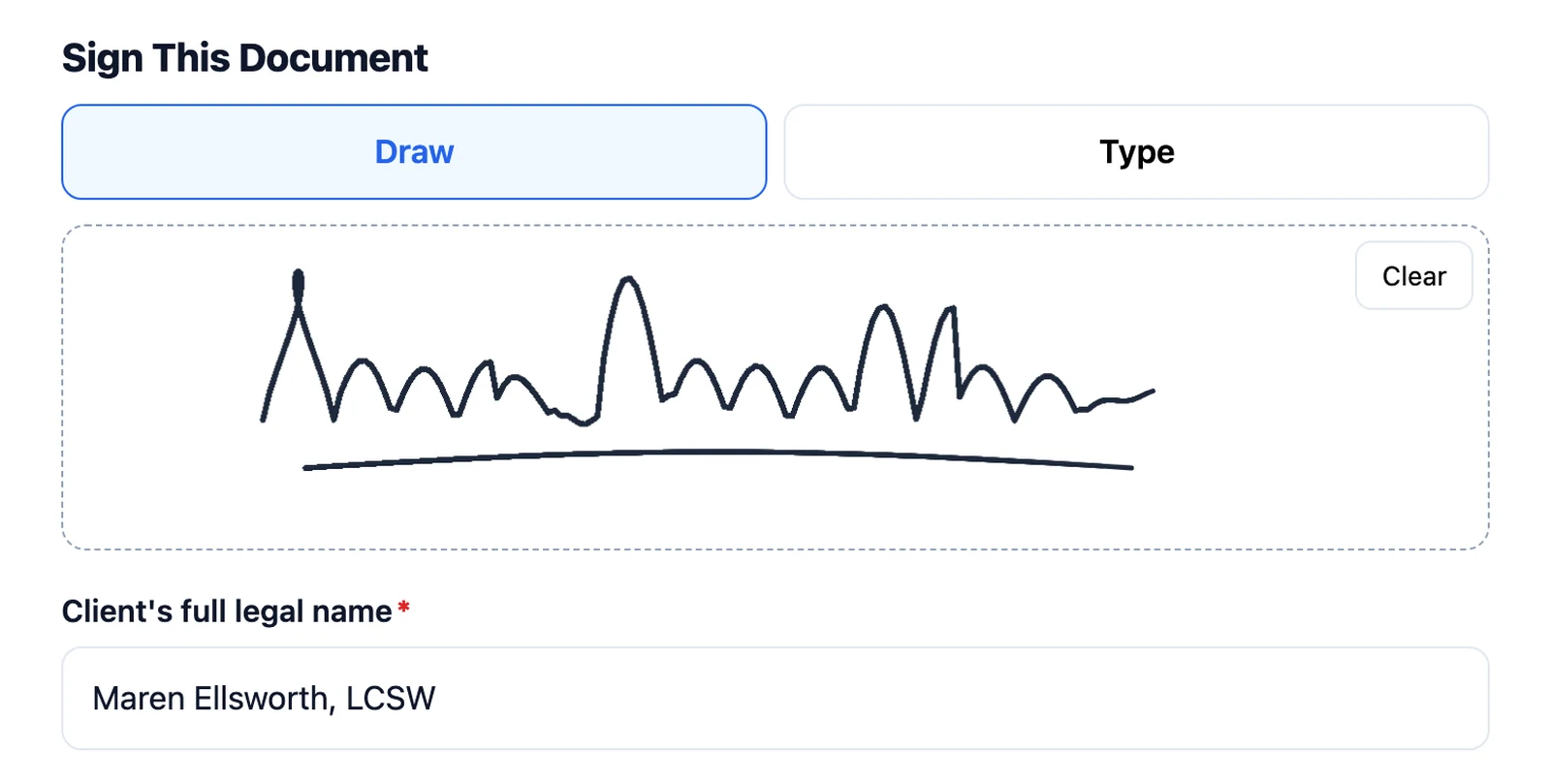
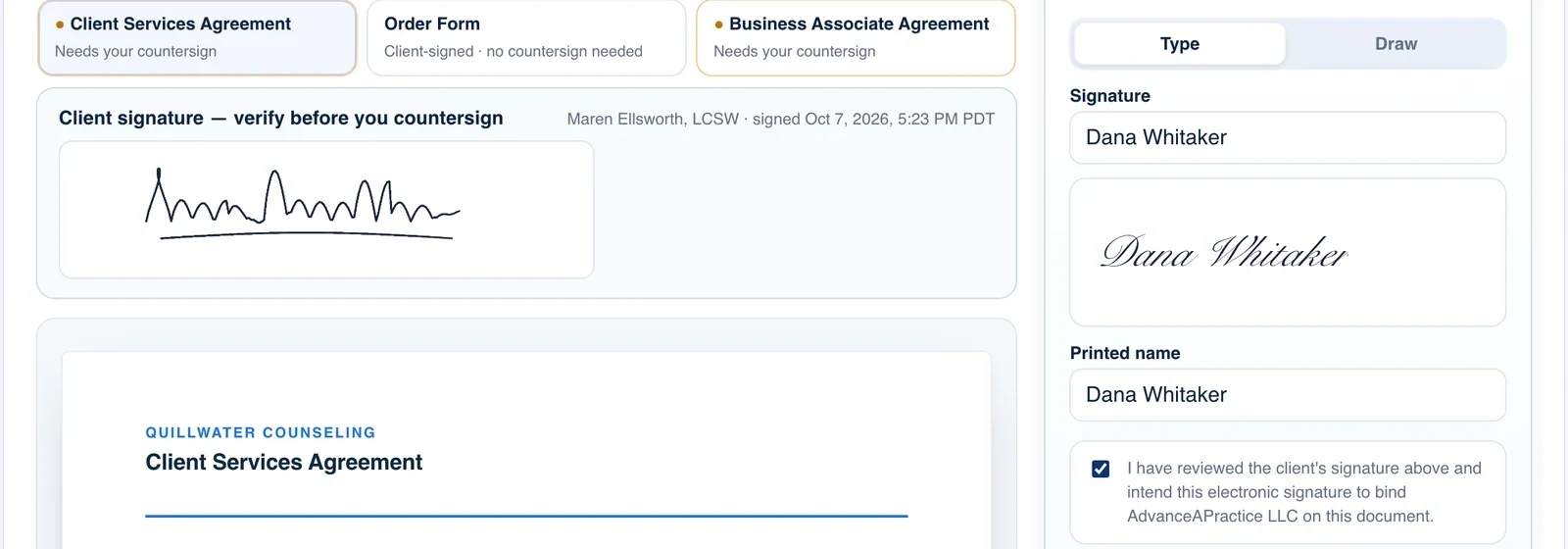
- Onboarding. You sign the Client Services Agreement, the Order Form and a Business Associate Agreement online, then upload your documents. Work starts within three business days after your start month begins and onboarding is complete.
- While we work. We review your CAQH and your documents with you, submit the applications in coordination with you and stay on each one until the payer gives an effective date in writing.
- On approval. You get the written effective date, confirmed portals and payment routing, so you know the day you can bill.
Want to read the Order Form first? We’ll email you the Order Form for Payer Transition with the exact scope, price and terms.
Not Sure Which Credentialing Package Fits?
Every credentialing package has a published price and a written scope. Tell us what’s changing in your practice and which payers you need, and we’ll point you to the right one.